


Treat More Pigment Types
Multi-Wavelength Precision
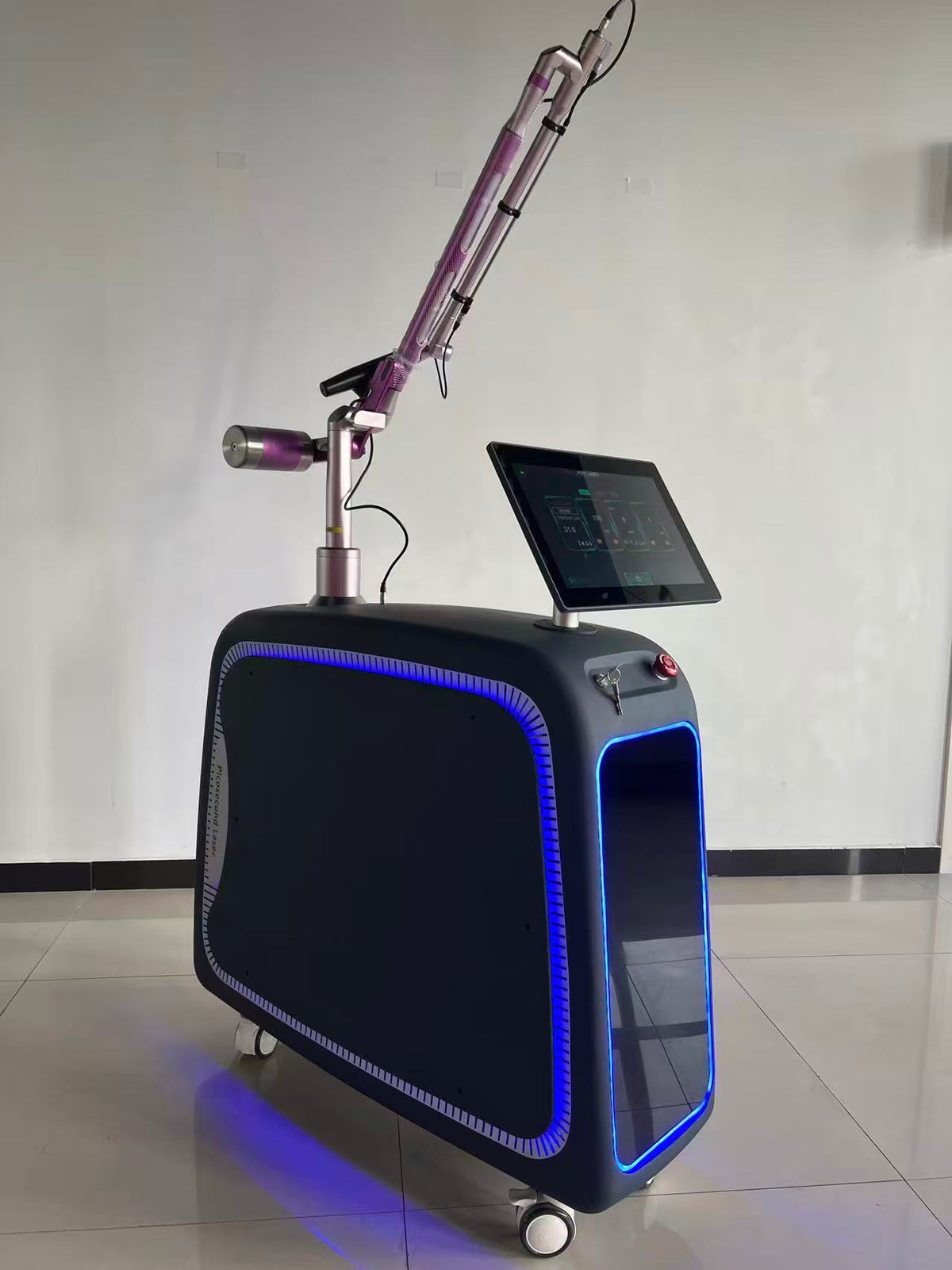
With 1064 nm, 755 nm, and 532 nm wavelengths, plus optional 585 nm and 640 nm configurations, the system gives practitioners the flexibility to address a wider range of tattoo colors and pigmentation concerns. Different wavelengths can be selected based on pigment depth, color, and treatment goals, helping support more targeted and adaptable treatment planning across a variety of patient needs.

One Platform, Multiple Applications
Five Treatment Modes
SP, FRP, LP, DLH, and PTP modes expand the system beyond a single treatment category, allowing practitioners to work across tattoo removal, pigmentation correction, fractional resurfacing, vascular treatments, hair removal, and skin rejuvenation. The variety of modes makes it easier to tailor treatment settings to different indications while offering a broader menu of services from one versatile platform.Advanced Treatments. Visible Results.
Built for Precise Treatment
Flexible Energy Delivery
A 7-joint articulated arm, adjustable 2–10 mm spot size, and picosecond pulse width of 450–600 ps are designed to provide greater flexibility and control during treatment. Practitioners can more easily position the handpiece, adjust the treatment area, and fine-tune energy delivery for different zones of the face or body, supporting a more precise and efficient treatment experience.
What makes Picosecond technology different from traditional lasers?
What makes Picosecond technology different from traditional lasers?
What treatments can be performed with Picosecond?
What treatments can be performed with Picosecond?
Is downtime required after treatment?
Is downtime required after treatment?
Who is a good candidate for Picosecond treatments?
Who is a good candidate for Picosecond treatments?
Blog Posts
Blog posts
Discover industry expertise, equipment guidance, and actionable treatment strategies to help your practice stay one step ahead.
View all